Lichen Crust On Rocks And Boulders
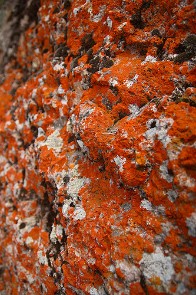
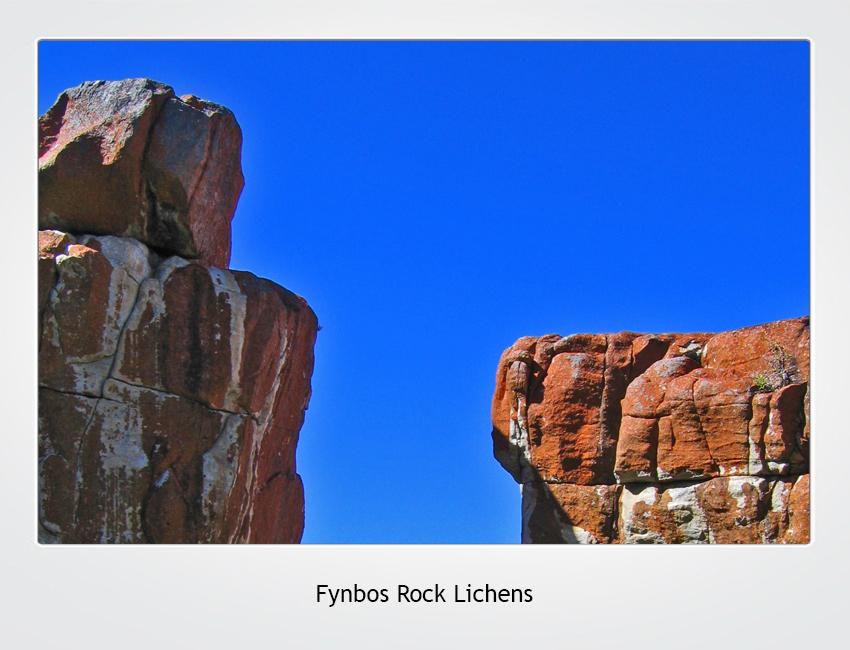
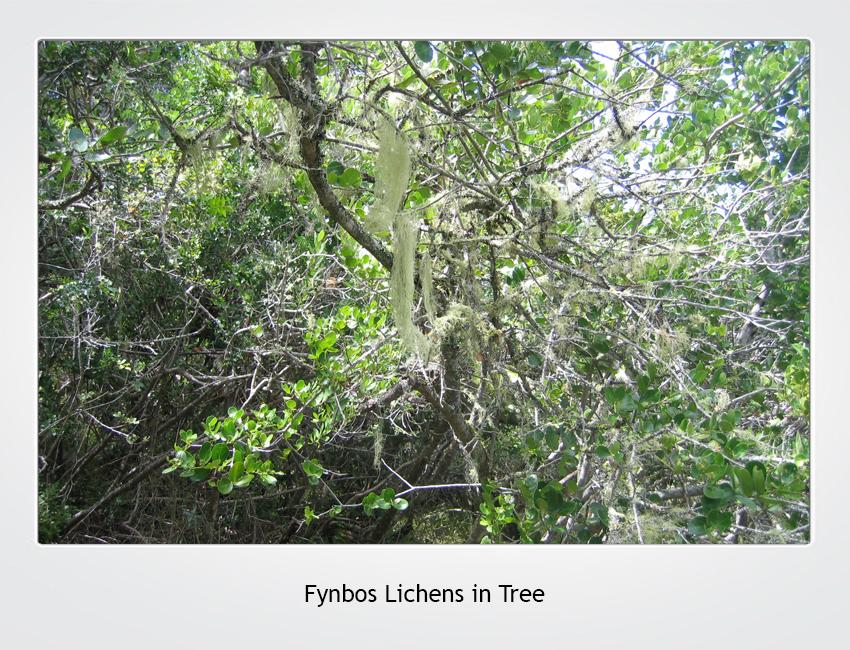
Without a doubt, the most colourful coatings on rocks are produced by lichens, a remarkable symbiotic relationship between microscopic algal cells and fungal filaments. Although lichens can also withstand extreme environmental conditions, they generally cannot survive as well on the dry, sun-baked boulders where desert varnish microbes flourish. Rock lichens come in a variety of bright colours, from red, orange and yellow to brilliant shades of green. There are hundreds of species including leafy forms and low-growing crustose species resembling a thick layer of paint.
Lichen acids were the source of important dyes for cotton and wool in
medieval Europe. Two purple and red dyes, orchil (sometimes spelled archil) and
cudbear, were obtained from the lichens Roccella and Ochrolechia.
Lichen dyes were dissolved in human urine, and the yarns were immersed in this
mixture. Ammonia salts in the urine functioned as mordants to make the dyes
permanent. Although most of the lichen dye industry was replaced by cheaper
aniline dyes from coal tar, some lichen dyes are still used today. A brownish
dye from the foliose lichen Parmelia omphalodes is used on hand-woven
Harris tweeds from the Outer Hebrides. Orcein, a purple-red chromosomal stain
found in every microbiology laboratory is derived from Roccella tinctoria.
Pine lichen (Letharia vulpina), a beautiful chartreuse fruticose lichen
that grows on the bark of pines and fir, contains a mildly toxic yellow dye
called vulpinic acid. The striking canary-yellow porcupine quills woven into
the baskets of Klamoth and Yurok Indians were dyed with this lichen.